Most studies of medieval warfare in the late 14th and 15th centuries concentrate on the Hundred Years' War between England and France and the Wars of the Roses. But meanwhile, on the Iberian peninsula, the foundations of Spain's military 'Golden Age' were being laid ...
Most studies of medieval warfare in the late 14th and 15th centuries concentrate on the Hundred Years' War between England and France and the Wars of the Roses. But meanwhile, on the Iberian peninsula, the foundations of Spain's military 'Golden Age' were being laid ...
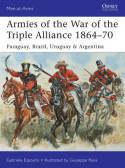
The War of the Triple Alliance is the largest single conflict in the history of South America. Drawing Argentina, Brazil, Uruguay and Paraguay into conflict the war was characterized by extraordinarily high casualty rates, and was to shape the future of an entire continent - depopulating ...
The War of the Triple Alliance is the largest single conflict in the history of South America. Drawing Argentina, Brazil, Uruguay and Paraguay into conflict the war was characterized by extraordinarily high casualty rates, and was to shape the future of an entire continent - depopulating ...
The Spanish Civil War was the curtainraiser to World War II and involved a complex collection of forces, particularly on the Republican side. This title illustrates how diverse the Republican forces were, drawn from loyal elements of the Spanish army that rejected the appeal of ...
The Spanish Civil War was the curtainraiser to World War II and involved a complex collection of forces, particularly on the Republican side. This title illustrates how diverse the Republican forces were, drawn from loyal elements of the Spanish army that rejected the appeal of ...
The Spanish Civil War, 1936-39, was the curtain-raiser to World War II, and the major international event of the 1930s. It was the first great clash of 20th-century ideologies, between the rebel Nationalist army led by General Franco (right-wing, and aided by Nazi Germany and ...
The Spanish Civil War, 1936-39, was the curtain-raiser to World War II, and the major international event of the 1930s. It was the first great clash of 20th-century ideologies, between the rebel Nationalist army led by General Franco (right-wing, and aided by Nazi Germany and ...
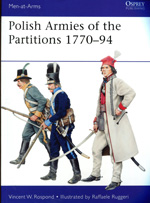
The tragic national epic of Polish history began in these late 18th-century wars. Under Poland's Saxon monarchy, Russia and Prussia constantly meddled in the affairs of the Kingdom. In 1768 a civil war broke out between pro-Russian 'Commonwealth' Poles and 'Confederate' patriots who opposed ...
The tragic national epic of Polish history began in these late 18th-century wars. Under Poland's Saxon monarchy, Russia and Prussia constantly meddled in the affairs of the Kingdom. In 1768 a civil war broke out between pro-Russian 'Commonwealth' Poles and 'Confederate' patriots who opposed ...
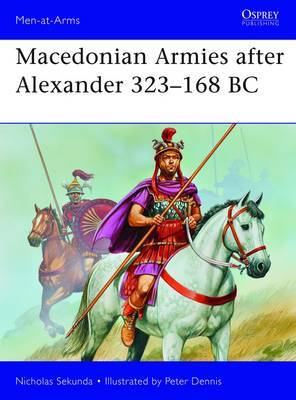
The death of Alexander the Great in 323 BC threw the Macedonians into confusion; there was no capable heir, and no clear successor among the senior figures in Alexander's circle. Initial attempts to preserve the unity of Alexander's conquests gave way to a ...
The death of Alexander the Great in 323 BC threw the Macedonians into confusion; there was no capable heir, and no clear successor among the senior figures in Alexander's circle. Initial attempts to preserve the unity of Alexander's conquests gave way to a ...
From humble beginnings, in the course of three centuries the Portuguese built the world's first truly global empire, stretching from modern Brazil to sub-Saharan Africa and from India to the East Indies (Indonesia). Portugal had established its present-day borders by 1300 and the following ...
From humble beginnings, in the course of three centuries the Portuguese built the world's first truly global empire, stretching from modern Brazil to sub-Saharan Africa and from India to the East Indies (Indonesia). Portugal had established its present-day borders by 1300 and the following ...
A mixed infantry formation made up of about 3,000 men armed with pikes, swords and handguns, the innovative and influential tercio or 'Spanish square' was the basic combat unit of the armies of Spain throughout much of the 16th and 17th centuries. Arguably the ...
A mixed infantry formation made up of about 3,000 men armed with pikes, swords and handguns, the innovative and influential tercio or 'Spanish square' was the basic combat unit of the armies of Spain throughout much of the 16th and 17th centuries. Arguably the ...
Ever since the 15th century Switzerland had been exporting professional soldiers to serve as mercenaries for foreign monarchies. Napoleon, therefore, was not the first to make full use of the martial qualities of the Swiss and obtained Swiss agreement to expand the recruitment of regiments ...
Ever since the 15th century Switzerland had been exporting professional soldiers to serve as mercenaries for foreign monarchies. Napoleon, therefore, was not the first to make full use of the martial qualities of the Swiss and obtained Swiss agreement to expand the recruitment of regiments ...
In the years between 31 BC and AD 500 the Romans carved out a mighty empire stretching from Britain to the deserts of North Africa. The men who spearheaded this expansion were the centurions, the tough, professional warriors who led from the front, exerted savage ...
In the years between 31 BC and AD 500 the Romans carved out a mighty empire stretching from Britain to the deserts of North Africa. The men who spearheaded this expansion were the centurions, the tough, professional warriors who led from the front, exerted savage ...
A perennially popular topic the ancient world continues to yield incredibly rich archaeological finds. Based on years of detailed research, Dr Raffaele D'Amato now presents a new history on the dress and equipment of Roman Centurions from the Roman kingdom to the height of ...
A perennially popular topic the ancient world continues to yield incredibly rich archaeological finds. Based on years of detailed research, Dr Raffaele D'Amato now presents a new history on the dress and equipment of Roman Centurions from the Roman kingdom to the height of ...
Defeated in the Sino-Japanese War 1894-95 and the Boxer Rebellion of 1900, Imperial China collapsed into revolution and a republic was proclaimed in 1912. From the death of the first president in 1916 to the rise of the Nationalist Kuomintang government in 1926, the differing ...
Defeated in the Sino-Japanese War 1894-95 and the Boxer Rebellion of 1900, Imperial China collapsed into revolution and a republic was proclaimed in 1912. From the death of the first president in 1916 to the rise of the Nationalist Kuomintang government in 1926, the differing ...
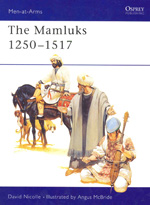
Il. Angus McBride. In Europe the Mamluks of Egypt are remembered as so-called 'Slave Kings' who drove out the Crusaders from the Holy Land; but they were far more than that. Though its frontiers barely changed, the Mamluk Sultanate remained a 'great power' for two ...
Il. Angus McBride. In Europe the Mamluks of Egypt are remembered as so-called 'Slave Kings' who drove out the Crusaders from the Holy Land; but they were far more than that. Though its frontiers barely changed, the Mamluk Sultanate remained a 'great power' for two ...
Ils. Gerry and Sam Embleton. The Seven Years' War in Germany was characterised by an increasing use of 'light' troops in conjunction with regular infantry and cavalry as part of an ongoing evolution in military tactics. This book draws attention to these tactical developments and ...
Ils. Gerry and Sam Embleton. The Seven Years' War in Germany was characterised by an increasing use of 'light' troops in conjunction with regular infantry and cavalry as part of an ongoing evolution in military tactics. This book draws attention to these tactical developments and ...
Illustrated by Darko Pavlovic. This would be a detailed analysis of the Soviet Army at the outbreak of World War II, including the Red Army's campaigns against Japan on the Manchurian plains as well as in Finland. It would also cover the Red Army ...
Illustrated by Darko Pavlovic. This would be a detailed analysis of the Soviet Army at the outbreak of World War II, including the Red Army's campaigns against Japan on the Manchurian plains as well as in Finland. It would also cover the Red Army ...
Illustrated by A. McBride This book describes and illustrates the armour, weapons, fortifications and ships of one of the least-known phases of the Medieval Crusades - the expeditions by Scandinavian Catholics against the pagan peoples to the east of the Baltic Sea, and their subsequent clashes ...
Illustrated by A. McBride This book describes and illustrates the armour, weapons, fortifications and ships of one of the least-known phases of the Medieval Crusades - the expeditions by Scandinavian Catholics against the pagan peoples to the east of the Baltic Sea, and their subsequent clashes ...
Illustrated by Angus McBride It is generally assumed that the military reforms which propelled Russia into the modern world were due solely to the genius of Peter the Great. In fact, his reforms were built upon changes that had taken place during the previous 200 ...
Illustrated by Angus McBride It is generally assumed that the military reforms which propelled Russia into the modern world were due solely to the genius of Peter the Great. In fact, his reforms were built upon changes that had taken place during the previous 200 ...
Illustrated by Angus McBride In 1415, the judicial murder of the religious reformer Jan Hus sparked a major uprising in Bohemia. His death led within a few years to the 'Hussite' revolution against the monarchy, the German aristocracy and the Church establishment. For two decades ...
Illustrated by Angus McBride In 1415, the judicial murder of the religious reformer Jan Hus sparked a major uprising in Bohemia. His death led within a few years to the 'Hussite' revolution against the monarchy, the German aristocracy and the Church establishment. For two decades ...
Illustrated by Graham Turner In medieval Germany violence was accepted far more than in other kingdoms. Kings were recognised as guardians of order, but this had its limitations. Lords expected to use force to secure their rights or win an argument when peaceful methods were ...
Illustrated by Graham Turner In medieval Germany violence was accepted far more than in other kingdoms. Kings were recognised as guardians of order, but this had its limitations. Lords expected to use force to secure their rights or win an argument when peaceful methods were ...
Illustrated by Christopher Rothero. The story of Venice is, to some extent, separate from that of the rest of Europe. The same could be said of the city's military history and organisation. Early in the 9th century the Venetians defeated Pepin the Frank's ...
Illustrated by Christopher Rothero. The story of Venice is, to some extent, separate from that of the rest of Europe. The same could be said of the city's military history and organisation. Early in the 9th century the Venetians defeated Pepin the Frank's ...
Utilizamos cookies propias y de terceros para mejorar nuestros servicios y facilitar la navegación. Si continúa navegando consideramos que acepta su uso.