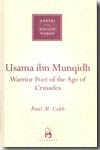
Often at the front line of some of the most dramatic moments in Islamic history, including the invasion of the Turks into the Middle East, the collapse of Shi'ite political power, and, above all, the coming of the Crusades, Usama ibn Munqidh (1095-1188) was ...
Often at the front line of some of the most dramatic moments in Islamic history, including the invasion of the Turks into the Middle East, the collapse of Shi'ite political power, and, above all, the coming of the Crusades, Usama ibn Munqidh (1095-1188) was ...
In this pioneering biography, Christopher Melchert examines the forefather of the fourth of the four principal Sunni schools of jurisprudence, the Hanbali. Upholding the view that the Qur'an was uncreated and the direct word of God, Ahmad ibn Hanbal (780-855) thought that the holy ...
In this pioneering biography, Christopher Melchert examines the forefather of the fourth of the four principal Sunni schools of jurisprudence, the Hanbali. Upholding the view that the Qur'an was uncreated and the direct word of God, Ahmad ibn Hanbal (780-855) thought that the holy ...
Karim Khan Zand was an exceptional Persian ruler of the eighteenth century. Formerly an obscure Tribal chieftan, he came to power in the chaotic interregnum following the death of Nader Shah Afshar, a man celebrated for expelling the Afghan invaders from Iran but notorious for ...
Karim Khan Zand was an exceptional Persian ruler of the eighteenth century. Formerly an obscure Tribal chieftan, he came to power in the chaotic interregnum following the death of Nader Shah Afshar, a man celebrated for expelling the Afghan invaders from Iran but notorious for ...
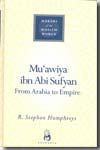
In this accessible study, Stephen Humphreys introduces the most elusive of the early caliphs, Mu'awiya ibn abi Sufyan (602-680). Notoriously guarded about his thoughts, motives and emotions, Mu'awiya was universally known as a figure of immense political acumen. Beyond this, opinions are deeply ...
In this accessible study, Stephen Humphreys introduces the most elusive of the early caliphs, Mu'awiya ibn abi Sufyan (602-680). Notoriously guarded about his thoughts, motives and emotions, Mu'awiya was universally known as a figure of immense political acumen. Beyond this, opinions are deeply ...
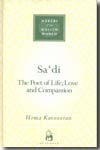
One of greatest Persian writers of both classical prose and poetry, Sa'di was revered in his time as a man of great wisdom and passion. Sometimes said to have lived over one hundred years, the body of his work was written in the thirteenth ...
One of greatest Persian writers of both classical prose and poetry, Sa'di was revered in his time as a man of great wisdom and passion. Sometimes said to have lived over one hundred years, the body of his work was written in the thirteenth ...
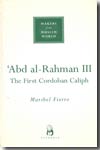
Covers the life and work of Abd al-Rahman III, the greatest of the Umayyad rulers of Spain and the first to take the title of Caliph, as well as doing much to stabilise the borders with Christian Spain.
Covers the life and work of Abd al-Rahman III, the greatest of the Umayyad rulers of Spain and the first to take the title of Caliph, as well as doing much to stabilise the borders with Christian Spain.
'Abd al-Malik , who came to prominence during the second civil war of early Islam, ruled the Islamic empire from 692 until 705. Not only did he successfully suppress rebellion within the Muslim world and expand its frontiers, but in many respects he founded the empire ...
'Abd al-Malik , who came to prominence during the second civil war of early Islam, ruled the Islamic empire from 692 until 705. Not only did he successfully suppress rebellion within the Muslim world and expand its frontiers, but in many respects he founded the empire ...
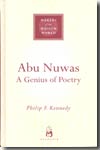
Abu Nuwas (c.756-813) was one of the greatest Arab poets of the classical period. In literary history he is remembered chiefly as the hard-drinking and eloquent composer of dissolute wine poems, from which he emerges as one of the most charismatic figures in world ...
Abu Nuwas (c.756-813) was one of the greatest Arab poets of the classical period. In literary history he is remembered chiefly as the hard-drinking and eloquent composer of dissolute wine poems, from which he emerges as one of the most charismatic figures in world ...
Ahmad Riza Khan (1856-1921), the leader of the twentieth-century Barelwi movement, was a scholar of Islamic law and a Sufi mystic in British India. This book examines the life and thought of Ahmad Riza Khan in the context of late nineteenth and early twentieth-century British ...
Ahmad Riza Khan (1856-1921), the leader of the twentieth-century Barelwi movement, was a scholar of Islamic law and a Sufi mystic in British India. This book examines the life and thought of Ahmad Riza Khan in the context of late nineteenth and early twentieth-century British ...
This work is a highly readable introduction to Shaykh Mufid, the leading Shi'i scholar of his time, and it examines his contributions in the fields of jurisprudence, theology, and sacred history in clear and straightforward language.
This work is a highly readable introduction to Shaykh Mufid, the leading Shi'i scholar of his time, and it examines his contributions in the fields of jurisprudence, theology, and sacred history in clear and straightforward language.
Fazlallah Astarabadi was a 14th-century Islamic religious leader who believed that the world was about to come to an end. He claimed that he had received direct revelations from God in his dreams and that this made him equal in stature to the prophets Moses ...
Fazlallah Astarabadi was a 14th-century Islamic religious leader who believed that the world was about to come to an end. He claimed that he had received direct revelations from God in his dreams and that this made him equal in stature to the prophets Moses ...
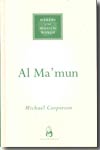
The Abbasid caliph al-Ma'mun (786-813) is best known for sponsoring the translation of Greek philosophy into Arabic and for promoting the activity of mathematicians, astronomers, engineers, physicians and cartographers. In his own time, however, he was a wildly controversial figure: having come to power ...
The Abbasid caliph al-Ma'mun (786-813) is best known for sponsoring the translation of Greek philosophy into Arabic and for promoting the activity of mathematicians, astronomers, engineers, physicians and cartographers. In his own time, however, he was a wildly controversial figure: having come to power ...
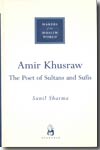
The Indian courtier, writer, musician and Sufi Amir Khusraw (1253-1325) is widely regarded as one of his country's greatest poets. As a writer in India, he was conscious of the larger Persian literary world as well as local tastes and preferences and wrote a ...
The Indian courtier, writer, musician and Sufi Amir Khusraw (1253-1325) is widely regarded as one of his country's greatest poets. As a writer in India, he was conscious of the larger Persian literary world as well as local tastes and preferences and wrote a ...
Muhyi ad-Din Ibn 'Arabi (1165-1240) was an outstanding Spanish-born mystic and one of the most prolific writers in Islamic history. He made major contributions to the fields of Qur'an commentary, jurisprudence, theology, philosophy, cosmology, and spiritual psychology, and he was also a great poet ...
Muhyi ad-Din Ibn 'Arabi (1165-1240) was an outstanding Spanish-born mystic and one of the most prolific writers in Islamic history. He made major contributions to the fields of Qur'an commentary, jurisprudence, theology, philosophy, cosmology, and spiritual psychology, and he was also a great poet ...
Utilizamos cookies propias y de terceros para mejorar nuestros servicios y facilitar la navegación. Si continúa navegando consideramos que acepta su uso.