This is a reproduction of a book published before 1923. This book may have occasional imperfections such as missing or blurred pages, poor pictures, errant marks, etc. that were either part of the original artifact, or were introduced by the scanning process. We believe this ...
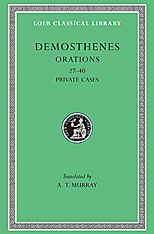
Demosthenes (384–322 BCE), orator at Athens, was a pleader in law courts who later became also a statesman, champion of the past greatness of his city and the present resistance of Greece to the rise of Philip of Macedon to supremacy. We possess by ...
Basil the Great was born ca. 330 CE at Caesarea in Cappadocia into a family noted for piety. He was at Constantinople and Athens for several years as a student with Gregory of Nazianzus and was much influenced by Origen. For a short time he ...
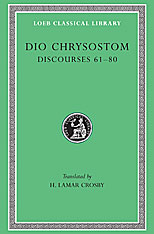
Dio Chrysostom (Dio Cocceianus Chrysostomus), ca. 40–ca. 120 CE, of Prusa in Bithynia, Asia Minor, inherited with his brothers large properties and debts from his generous father Pasicrates. He became a skilled rhetorician hostile to philosophers. But in the course of his travels he ...
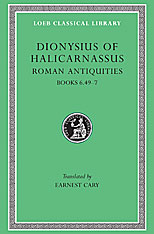
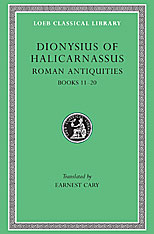
Dionysius of Halicarnassus was born before 53 BCE and went to Italy before 29 BCE. He taught rhetoric in Rome while studying the Latin language, collecting material for a history of Rome, and writing. His Roman Antiquities began to appear in 7 BCE. Dionysius states ...
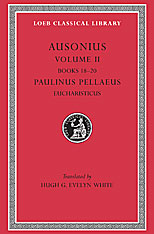
Ausonius (Decimus Magnus), ca. 310–ca. 395 CE, a doctor’s son, was born at Burdigala (Bordeaux). After a good education in grammar and rhetoric and a short period during which he was an advocate, he took to teaching rhetoric in a school which he ...
Dio Chrysostom (Dio Cocceianus Chrysostomus), ca. 40–ca. 120 CE, of Prusa in Bithynia, Asia Minor, inherited with his brothers large properties and debts from his generous father Pasicrates. He became a skilled rhetorician hostile to philosophers. But in the course of his travels he ...
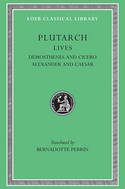
Plutarch (Plutarchus), ca. 45–120 CE, was born at Chaeronea in Boeotia in central Greece, studied philosophy at Athens, and, after coming to Rome as a teacher in philosophy, was given consular rank by the emperor Trajan and a procuratorship in Greece by Hadrian. He ...
Demosthenes (384–322 BCE), orator at Athens, was a pleader in law courts who later became also a statesman, champion of the past greatness of his city and the present resistance of Greece to the rise of Philip of Macedon to supremacy. We possess by ...
Dionysius of Halicarnassus was born before 53 BCE and went to Italy before 29 BCE. He taught rhetoric in Rome while studying the Latin language, collecting material for a history of Rome, and writing. His Roman Antiquities began to appear in 7 BCE. Dionysius states ...
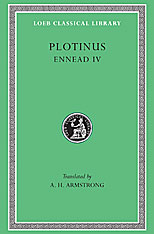
Plotinus (204/5–270 CE) was the first and greatest of Neoplatonic philosophers. His writings were edited by his disciple Porphyry, who published them many years after his master’s death in six sets of nine treatises each (the Enneads).
Plotinus regarded Plato as his ...
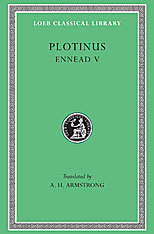
Plotinus (204/5–270 CE) was the first and greatest of Neoplatonic philosophers. His writings were edited by his disciple Porphyry, who published them many years after his master’s death in six sets of nine treatises each (the Enneads).
Plotinus regarded Plato as his ...
Plotinus (204/5–270 CE) was the first and greatest of Neoplatonic philosophers. His writings were edited by his disciple Porphyry, who published them many years after his master’s death in six sets of nine treatises each (the Enneads).
Plotinus regarded Plato as his ...
Plotinus (204/5–270 CE) was the first and greatest of Neoplatonic philosophers. His writings were edited by his disciple Porphyry, who published them many years after his master’s death in six sets of nine treatises each (the Enneads).
Plotinus regarded Plato as his ...
Strabo (ca. 64 BCE to ca. 25 CE), an Asiatic Greek of Amasia in Pontus, studied at Nysa and after 44 BCE at Rome. He became a keen traveller who saw a large part of Italy, various near eastern regions including the Black Sea, various ...
Lysias (ca. 458 ca. 380 BCE), born at Athens, son of a wealthy Syracusan settled in Attica, lived in Peiraeus, where with his brother he inherited his father's shield factory. Being a loyal supporter of democracy, Lysias took the side of the democrats at ...
Roman secondary education aimed principally at training future lawyers and politicians. Under the late Republic and the Empire, the main instrument was an import from Greece: declamation, the making of practice speeches on imaginary subjects. There were two types of such speeches: controversiae on law-court ...
Seneca (Lucius Annaeus), born at Corduba (Cordova) ca. 4 BCE, of a prominent and wealthy family, spent an ailing childhood and youth at Rome in an aunt’s care. He became famous in rhetoric, philosophy, money-making, and imperial service. After some disgrace during Claudius’s ...
Aelian (Claudius Aelianus), a Roman born ca. 170 CE at Praeneste, was a pupil of the rhetorician Pausanias of Caesarea, and taught and practiced rhetoric. Expert in Attic Greek, he became a serious scholar and studied history under the patronage of the Roman empress Julia ...
Utilizamos cookies propias y de terceros para mejorar nuestros servicios y facilitar la navegación. Si continúa navegando consideramos que acepta su uso.