Diodorus Siculus, Greek historian of Agyrium in Sicily, ca. 80–20 BCE, wrote forty books of world history, called Library of History, in three parts: mythical history of peoples, non-Greek and Greek, to the Trojan War; history to Alexander’s death (323 BCE); and history ...
Diodorus Siculus, Greek historian of Agyrium in Sicily, ca. 80–20 BCE, wrote forty books of world history, called Library of History, in three parts: mythical history of peoples, non-Greek and Greek, to the Trojan War; history to Alexander’s death (323 BCE); and history ...
Aristotle, great Greek philosopher, researcher, reasoner, and writer, born at Stagirus in 384 BCE, was the son of Nicomachus, a physician, and Phaestis. He studied under Plato at Athens and taught there (367–47); subsequently he spent three years at the court of a former ...
Aristotle, great Greek philosopher, researcher, reasoner, and writer, born at Stagirus in 384 BCE, was the son of Nicomachus, a physician, and Phaestis. He studied under Plato at Athens and taught there (367–47); subsequently he spent three years at the court of a former ...
Eusebius of Caesarea, ca. 260–340 CE, born in Palestine, was a student of the presbyter Pamphilus whom he loyally supported during Diocletian’s persecution. He was himself imprisoned in Egypt, but became Bishop of Caesarea about 314. At the Council of Nicaea in 325 ...
Eusebius of Caesarea, ca. 260–340 CE, born in Palestine, was a student of the presbyter Pamphilus whom he loyally supported during Diocletian’s persecution. He was himself imprisoned in Egypt, but became Bishop of Caesarea about 314. At the Council of Nicaea in 325 ...
Procopius, born at Caesarea in Palestine late in the 5th century, became a lawyer. In 527 CE he was made legal adviser and secretary of Belisarius, commander against the Persians, and went with Belisarius again in 533 against the Vandals and in 535 against the ...
Procopius, born at Caesarea in Palestine late in the 5th century, became a lawyer. In 527 CE he was made legal adviser and secretary of Belisarius, commander against the Persians, and went with Belisarius again in 533 against the Vandals and in 535 against the ...
Plutarch (Plutarchus), ca. 45–120 CE, was born at Chaeronea in Boeotia in central Greece, studied philosophy at Athens, and, after coming to Rome as a teacher in philosophy, was given consular rank by the emperor Trajan and a procuratorship in Greece by Hadrian. He ...
Plutarch (Plutarchus), ca. 45–120 CE, was born at Chaeronea in Boeotia in central Greece, studied philosophy at Athens, and, after coming to Rome as a teacher in philosophy, was given consular rank by the emperor Trajan and a procuratorship in Greece by Hadrian. He ...
Procopius, born at Caesarea in Palestine late in the 5th century, became a lawyer. In 527 CE he was made legal adviser and secretary of Belisarius, commander against the Persians, and went with Belisarius again in 533 against the Vandals and in 535 against the ...
Procopius, born at Caesarea in Palestine late in the 5th century, became a lawyer. In 527 CE he was made legal adviser and secretary of Belisarius, commander against the Persians, and went with Belisarius again in 533 against the Vandals and in 535 against the ...
Procopius, born at Caesarea in Palestine late in the 5th century, became a lawyer. In 527 CE he was made legal adviser and secretary of Belisarius, commander against the Persians, and went with Belisarius again in 533 against the Vandals and in 535 against the ...
Procopius, born at Caesarea in Palestine late in the 5th century, became a lawyer. In 527 CE he was made legal adviser and secretary of Belisarius, commander against the Persians, and went with Belisarius again in 533 against the Vandals and in 535 against the ...
Procopius, born at Caesarea in Palestine late in the 5th century, became a lawyer. In 527 CE he was made legal adviser and secretary of Belisarius, commander against the Persians, and went with Belisarius again in 533 against the Vandals and in 535 against the ...
Procopius, born at Caesarea in Palestine late in the 5th century, became a lawyer. In 527 CE he was made legal adviser and secretary of Belisarius, commander against the Persians, and went with Belisarius again in 533 against the Vandals and in 535 against the ...
Polybius (born ca. 208 BCE) of Megalopolis in the Peloponnese (Morea), served the Achaean League in arms and diplomacy for many years, favouring alliance with Rome. From 168 to 151 he was hostage in Rome where he became a friend of Aemilius Paulus and his ...
Polybius (born ca. 208 BCE) of Megalopolis in the Peloponnese (Morea), served the Achaean League in arms and diplomacy for many years, favouring alliance with Rome. From 168 to 151 he was hostage in Rome where he became a friend of Aemilius Paulus and his ...
Aristotle, great Greek philosopher, researcher, reasoner, and writer, born at Stagirus in 384 BCE, was the son of Nicomachus, a physician, and Phaestis. He studied under Plato at Athens and taught there (367-347); subsequently he spent three years at the court of a former pupil ...
Aristotle, great Greek philosopher, researcher, reasoner, and writer, born at Stagirus in 384 BCE, was the son of Nicomachus, a physician, and Phaestis. He studied under Plato at Athens and taught there (367-347); subsequently he spent three years at the court of a former pupil ...
Basil the Great was born ca. 330 CE at Caesarea in Cappadocia into a family noted for piety. He was at Constantinople and Athens for several years as a student with Gregory of Nazianzus and was much influenced by Origen. For a short time he ...
Basil the Great was born ca. 330 CE at Caesarea in Cappadocia into a family noted for piety. He was at Constantinople and Athens for several years as a student with Gregory of Nazianzus and was much influenced by Origen. For a short time he ...
Aristotle, great Greek philosopher, researcher, reasoner, and writer, born at Stagirus in 384 BCE, was the son of Nicomachus, a physician, and Phaestis. He studied under Plato at Athens and taught there (367 47); subsequently he spent three years at the court of a former ...
Aristotle, great Greek philosopher, researcher, reasoner, and writer, born at Stagirus in 384 BCE, was the son of Nicomachus, a physician, and Phaestis. He studied under Plato at Athens and taught there (367 47); subsequently he spent three years at the court of a former ...
Plutarch (Plutarchus), ca. 45–120 CE, was born at Chaeronea in Boeotia in central Greece, studied philosophy at Athens, and, after coming to Rome as a teacher in philosophy, was given consular rank by the emperor Trajan and a procuratorship in Greece by Hadrian. He ...
Plutarch (Plutarchus), ca. 45–120 CE, was born at Chaeronea in Boeotia in central Greece, studied philosophy at Athens, and, after coming to Rome as a teacher in philosophy, was given consular rank by the emperor Trajan and a procuratorship in Greece by Hadrian. He ...
Augustinus (354-430 CE), son of a pagan, Patricius of Tagaste in North Africa, and his Christian wife Monica, while studying in Africa to become a rhetorician, plunged into a turmoil of philosophical and psychological doubts in search of truth, joining for a time the Manichaean ...
Augustinus (354-430 CE), son of a pagan, Patricius of Tagaste in North Africa, and his Christian wife Monica, while studying in Africa to become a rhetorician, plunged into a turmoil of philosophical and psychological doubts in search of truth, joining for a time the Manichaean ...
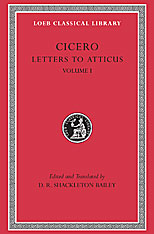
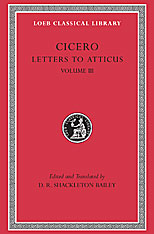
In letters to his dear friend Atticus, Cicero reveals himself as to no other of his correspondents except, perhaps, his brother. These letters, in this four-volume series, also provide a vivid picture of a momentous period in Roman history—years marked by the rise of ...
In letters to his dear friend Atticus, Cicero reveals himself as to no other of his correspondents except, perhaps, his brother. These letters, in this four-volume series, also provide a vivid picture of a momentous period in Roman history—years marked by the rise of ...
In letters to his dear friend Atticus, Cicero reveals himself as to no other of his correspondents except, perhaps, his brother. These letters, in this four-volume series, also provide a vivid picture of a momentous period in Roman history—years marked by the rise of ...
In letters to his dear friend Atticus, Cicero reveals himself as to no other of his correspondents except, perhaps, his brother. These letters, in this four-volume series, also provide a vivid picture of a momentous period in Roman history—years marked by the rise of ...
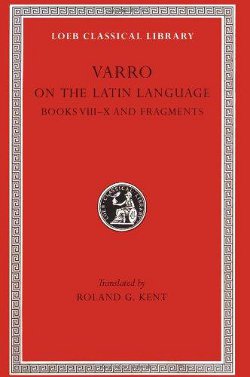
Varro (M. Terentius), 116–27 BCE, of Reate, renowned for his vast learning, was an antiquarian, historian, philologist, student of science, agriculturist, and poet. He was a republican who was reconciled to Julius Caesar and was marked out by him to supervise an intended national ...
Varro (M. Terentius), 116–27 BCE, of Reate, renowned for his vast learning, was an antiquarian, historian, philologist, student of science, agriculturist, and poet. He was a republican who was reconciled to Julius Caesar and was marked out by him to supervise an intended national ...
Ovid (Publius Ovidius Naso, 43 BCE–17 CE), born at Sulmo, studied rhetoric and law at Rome. Later he did considerable public service there, and otherwise devoted himself to poetry and to society. Famous at first, he offended the emperor Augustus with his Ars Amatoria ...
Ovid (Publius Ovidius Naso, 43 BCE–17 CE), born at Sulmo, studied rhetoric and law at Rome. Later he did considerable public service there, and otherwise devoted himself to poetry and to society. Famous at first, he offended the emperor Augustus with his Ars Amatoria ...
Hippocrates, said to have been born in Cos in or before 460 BCE, learned medicine and philosophy; travelled widely as a medical doctor and teacher; was consulted by King Perdiccas of Macedon and Artaxerxes of Persia; and died perhaps at Larissa. Apparently he rejected superstition ...
Hippocrates, said to have been born in Cos in or before 460 BCE, learned medicine and philosophy; travelled widely as a medical doctor and teacher; was consulted by King Perdiccas of Macedon and Artaxerxes of Persia; and died perhaps at Larissa. Apparently he rejected superstition ...
Utilizamos cookies propias y de terceros para mejorar nuestros servicios y facilitar la navegación. Si continúa navegando consideramos que acepta su uso.