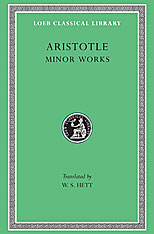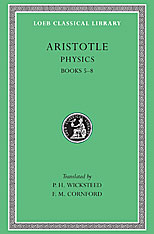
Aristotle, great Greek philosopher, researcher, reasoner, and writer, born at Stagirus in 384 BCE, was the son of Nicomachus, a physician, and Phaestis. He studied under Plato at Athens and taught there (367–47); subsequently he spent three years at the court of a former ...
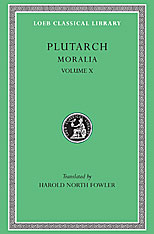
Plutarch (Plutarchus), ca. 45–120 CE, was born at Chaeronea in Boeotia in central Greece, studied philosophy at Athens, and, after coming to Rome as a teacher in philosophy, was given consular rank by the emperor Trajan and a procuratorship in Greece by Hadrian. He ...
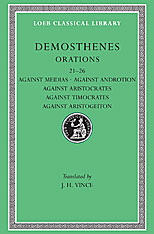
Demosthenes (384–322 BCE), orator at Athens, was a pleader in law courts who later became also a statesman, champion of the past greatness of his city and the present resistance of Greece to the rise of Philip of Macedon to supremacy. We possess by ...
Aristotle, great Greek philosopher, researcher, reasoner, and writer, born at Stagirus in 384 BCE, was the son of Nicomachus, a physician, and Phaestis. He studied under Plato at Athens and taught there (367–47); subsequently he spent three years at the court of a former ...
Diodorus Siculus, Greek historian of Agyrium in Sicily, ca. 80-20 BCE, wrote forty books of world history, called Library of History, in three parts: mythical history of peoples, non-Greek and Greek, to the Trojan War; history to Alexander's death (323 BCE); history to 54 ...
Marcus Aurelius (121 180 CE), philosopher-emperor, wrote the Meditations (his title was The matters addressed to himself) in periods of solitude during military campaigns. His ethical, religious, and existential reflections have endured as an expression of Stoicism, a text for students of that philosophy, and ...
Bede “the Venerable,” English theologian and historian, was born in 672 or 673 CE in the territory of the single monastery at Wearmouth and Jarrow. He was ordained deacon (691–2) and priest (702–3) of the monastery, where his whole life was spent in ...
Claudius Claudianus, Latin poet of great affairs, flourished during the joint reigns (394–5 CE onwards) of the brothers Honorius (Emperor in the West) and Arcadius (in the East). Apparently a native of Greek Alexandria in Egypt, he was, to judge by his name, of ...
Plutarch (Plutarchus), ca. 45–120 CE, was born at Chaeronea in Boeotia in central Greece, studied philosophy at Athens, and, after coming to Rome as a teacher in philosophy, was given consular rank by the emperor Trajan and a procuratorship in Greece by Hadrian. He ...
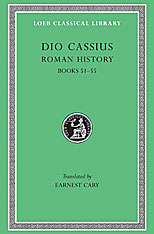
Dio Cassius (Cassius Dio), ca. 150–235 CE, was born at Nicaea in Bithynia in Asia Minor. On the death of his father (Roman governor of Cilicia) he went in 180 to Rome, entered the Senate, and under the emperor Commodus was an advocate. He ...
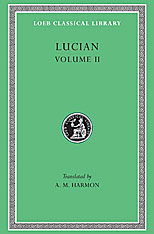
Lucian (ca. 120–190 CE), the satirist from Samosata on the Euphrates, started as an apprentice sculptor, turned to rhetoric and visited Italy and Gaul as a successful travelling lecturer, before settling in Athens and developing his original brand of satire. Late in life he ...
Utilizamos cookies propias y de terceros para mejorar nuestros servicios y facilitar la navegación. Si continúa navegando consideramos que acepta su uso.