Demosthenes (384–322 BCE), orator at Athens, was a pleader in law courts who later became also a statesman, champion of the past greatness of his city and the present resistance of Greece to the rise of Philip of Macedon to supremacy. We possess by ...
Polybius (born ca. 208 BCE) of Megalopolis in the Peloponnese (Morea), served the Achaean League in arms and diplomacy for many years, favouring alliance with Rome. From 168 to 151 he was hostage in Rome where he became a friend of Aemilius Paulus and his ...
Plutarch (Plutarchus), ca. 45–120 CE, was born at Chaeronea in Boeotia in central Greece, studied philosophy at Athens, and, after coming to Rome as a teacher in philosophy, was given consular rank by the emperor Trajan and a procuratorship in Greece by Hadrian. He ...
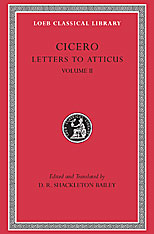
In letters to his dear friend Atticus, Cicero reveals himself as to no other of his correspondents except, perhaps, his brother. These letters, in this four-volume series, also provide a vivid picture of a momentous period in Roman history—years marked by the rise of ...
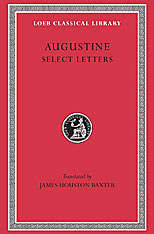
Augustinus (354–430 CE), son of a pagan, Patricius of Tagaste in North Africa, and his Christian wife Monica, while studying in Africa to become a rhetorician, plunged into a turmoil of philosophical and psychological doubts in search of truth, joining for a time the ...
Quintus Curtius was apparently a rhetorician who lived in the first century of the Roman empire and, early in the reign of Claudius (41–54 CE), wrote a history of Alexander the Great in ten books in clear and picturesque style for Latin readers. The ...
Josephus, soldier, statesman, historian, was a Jew born at Jerusalem about 37 CE. A man of high descent, he early became learned in Jewish law and Greek literature and was a Pharisee. After pleading in Rome the cause of some Jewish priests he returned to ...
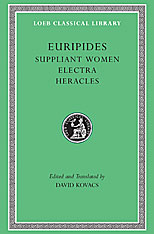
One of antiquity’s greatest poets, Euripides (ca. 485–406 BCE) has been prized in every age for the pathos, terror, surprising plot twists, and intellectual probing of his dramatic creations. Here, in the third volume of a new edition that is receiving much praise ...
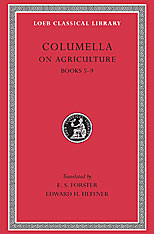
Columella (Lucius Iunius Moderatus) of Gades (Cadiz) lived in the reigns of the first emperors to about 70 CE. He moved early in life to Italy where he owned farms and lived near Rome. It is probable that he did military service in Syria and ...
Plutarch (Plutarchus), ca. 45–120 CE, was born at Chaeronea in Boeotia in central Greece, studied philosophy at Athens, and, after coming to Rome as a teacher in philosophy, was given consular rank by the emperor Trajan and a procuratorship in Greece by Hadrian. He ...
In letters to his dear friend Atticus, Cicero reveals himself as to no other of his correspondents except, perhaps, his brother. These letters, in this four-volume series, also provide a vivid picture of a momentous period in Roman history—years marked by the rise of ...
The rollicking comedies of Plautus, who brilliantly adapted Greek plays for Roman audiences c. 205--184 bc, are the earliest Latin works to survive complete and are cornerstones of the European theatrical tradition from Shakespeare and Moliere to modern times. This fourth volume of a new ...
Ovid's Fasti, begun in or soon after AD I, was to have celebrated the calendar and associated legends of the Roman year, but probably had reached no further than June before his exile in AD 8. Book IV, the book of April, honours the ...
In the Metamorphoses of Apuleius, also known as The Golden Ass, we have the only Latin novel which survives entire. It is truly enchanting: a delightful romance combining realism and magic. The hero, Lucius, eager to experience the sensations of a bird, resorts to witchcraft ...
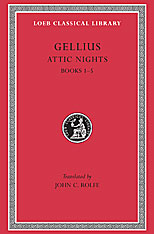
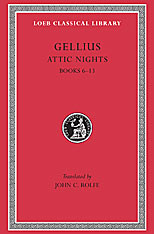
Aulus Gellius (ca. 123–170 CE) is known almost wholly from his Noctes Atticae (Attic Nights), so called because it was begun during the nights of an Attic winter. The work collects, in twenty books (of Book VIII only the index is extant), interesting notes ...
44,27 €
Sin stock. Pedido en firme. No se admiten devoluciones
44,27 €
Sin stock. Pedido en firme. No se admiten devoluciones
Aulus Gellius (ca. 123–170 CE) is known almost wholly from his Noctes Atticae (Attic Nights), so called because it was begun during the nights of an Attic winter. The work collects, in twenty books (of Book VIII only the index is extant), interesting notes ...
Aulus Gellius (ca. 123–170 CE) is known almost wholly from his Noctes Atticae (Attic Nights), so called because it was begun during the nights of an Attic winter. The work collects in twenty books (of Book VIII only the index is extant) interesting notes ...
44,27 €
Sin stock. Pedido en firme. No se admiten devoluciones
44,27 €
Sin stock. Pedido en firme. No se admiten devoluciones
Aulus Gellius (ca. 123–170 CE) is known almost wholly from his Noctes Atticae (Attic Nights), so called because it was begun during the nights of an Attic winter. The work collects in twenty books (of Book VIII only the index is extant) interesting notes ...
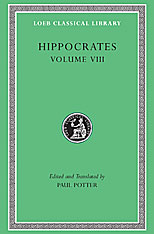
The medical treatises collected under Hippocrates’s name are essential sources of information about the practice of medicine in antiquity and about Greek theories concerning the human body. In this eighth volume of the ongoing Loeb Classical Library edition of these invaluable texts, Paul Potter ...
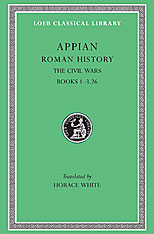
Appian (Appianus) was a Greek official of Alexandria. He saw the Jewish rebellion of 116 CE, and later became a Roman citizen and advocate and received the rank of eques (knight). In his older years he held a procuratorship. He died during the reign of ...
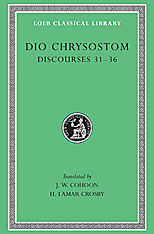
Dio Chrysostom (Dio Cocceianus Chrysostomus), ca. 40–ca. 120 CE, of Prusa in Bithynia, Asia Minor, inherited with his brothers large properties and debts from his generous father Pasicrates. He became a skilled rhetorician hostile to philosophers. But in the course of his travels he ...
Utilizamos cookies propias y de terceros para mejorar nuestros servicios y facilitar la navegación. Si continúa navegando consideramos que acepta su uso.