This book rethinks the Christianisation of the late Roman empire as a crisis of knowledge, pointing to competitive cultural re-assessment as a major driving force in the making of the Constantinian and post-Constantinian state. Emperor Julian's writings are re-assessed as key to accessing the ...
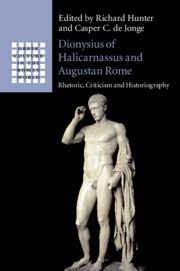
The Greek author Dionysius of Halicarnassus came to Rome in 30/29 BC. He learnt Latin, developed a network of students, patrons and colleagues, and started to teach rhetoric. He published a history of early Rome (Roman Antiquities), and essays on rhetoric and literary criticism ...
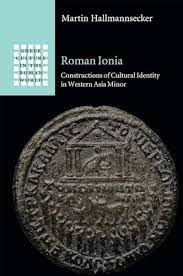
How did the cities of Ionia construct and express a distinct sense of Ionian identity under Roman rule? With the creation of the Roman province of Asia and the ever-growing incorporation of the Greeks into the Roman Empire, issues of identity gained new relevance and ...
Utilizamos cookies propias y de terceros para mejorar nuestros servicios y facilitar la navegación. Si continúa navegando consideramos que acepta su uso.