
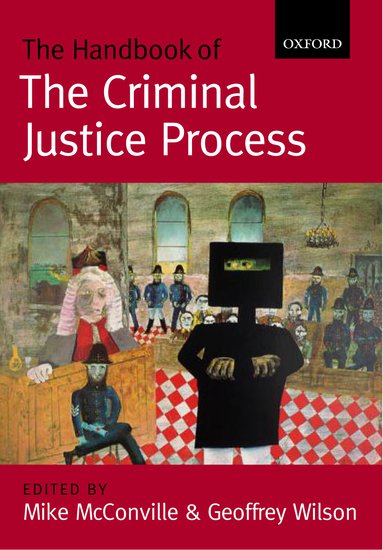


The handbook of the criminal justice process
- ISBN: 9780199253951
- Editorial: Oxford University Press
- Fecha de la edición: 2002
- Lugar de la edición: Oxford. Reino Unido
- Encuadernación: Rústica
- Medidas: 25 cm
- Nº Pág.: 581
- Idiomas: Inglés

The Handbook of Criminal Justice Process is a new and authoritative account of the criminal justice system in England and Wales that engages with the central issues common to any major criminal justice system. Compiling the thoughts and opinions of leading figures in this field of law, this volume provides comprehensive coverage of all the key areas of the system presenting a sequential account from investigation through to final appeal. The authors aim to present the English Legal system as an example of one way of attempting to deal with problems involved in the administration of criminal justice, highlighting the general problems as well as the current English response and including the points at which decisions have to be made and the reasons behind them.
Taken together, the chapters provide for the first time, a description of a dynamic and developing criminal justice system at work - comparing the mechanics of the system in theory and practice, the problems it faces and possible solutions, the values it reflects and the goals it pursues. The Handbook also makes a clear division between the formal structure and the way it is implemented, modified or supplemented and identifies the factors which impact on its success or failure in practice.
This new work is essential reading for all those studying elements of criminal justice and criminology. It offers not only a clear understanding of the way the current English legal system works but will equip the reader with a greater knowledge of criminal procedure in general and where and why choices have to be made.
Professor Mike McConville and Professor Geoffrey Wilson: Preface
Professor Mike McConville: Introduction
1: Professor Robin White: The Structure and Organization of Criminal Justice in England and Wales: An Overview
2: Professor Robert Reiner: The Organization and Accountability of the Police
3: Dr Satnam Choongh: Police Investigative Powers
4: Sybil Sharpe: Covert Surveillance and the Use of Informants
5: Professor Mike Maguire: Regulating the Police Station: the Case of the Police and Criminal Evidence Act 1984
6: Professor Ed Cape: Assisting and Advising Defendants Before Trial
7: Dr Anthea Hucklesby: Bail in Criminal Cases
8: Professor Lee Bridges: The Right to Representation and Legal Aid
9: Professor Andrew Sanders: The System of Prosecution
10: Rob Allen: Alternatives to Prosecution
11: Professor Sir John Smith QC: Evidence in Criminal Cases
12: Roger Leng: The Exchange of Information and Disclosure
13: John Sprack: Publicity Surrounding the Trial
14: Professor Jenny McEwan: Special Measures for Witnesses and Victims
15: Dr Paul Roberts: Science, Experts and Criminal Justice
16: Dr Penny Darbyshire: Magistrates
17: Mr Stephen Solley QC: The Role of the Advocate
18: Sir Philip Otton: The Role of the Judge in Criminal Cases
19: Professor John Jackson: The Adversary Trail and Trial by Judge Alone
20: Professor Mike McConville: Plea Bargaining
21: Professor Sean Doran: Trial by Jury
22: Ms Nicola Padfield: Juvenile Justice
23: Professor Mike Levi: Economic Crime
24: Professor Ronnie MacKay: Mentally Abnormal Offenders - Disposal and Criminal Responsibility Issues
25: Dr David Thomas QC: The Sentencing Process
26: Professor Rosemary Pattenden: Criminal Appeals: The Purpose of Criminal Appeals
27: Professor Clive Walker: Miscarriages of Justice and the Correction of Error
28: Dr Carolyn Hoyle and Dr Richard Young: Restorative Justice: Assessing the Prospects and Pitfalls
29: Professor Keith Bottomley: Research, Statistics and Knowledge of Crime