Lucian (ca. 120–190 CE), the satirist from Samosata on the Euphrates, started as an apprentice sculptor, turned to rhetoric and visited Italy and Gaul as a successful travelling lecturer, before settling in Athens and developing his original brand of satire. Late in life he ...
Josephus, soldier, statesman, historian, was a Jew born at Jerusalem about 37 CE. A man of high descent, he early became learned in Jewish law and Greek literature and was a Pharisee. After pleading in Rome the cause of some Jewish priests he returned to ...
In The Learned Banqueters, Athenaeus describes a series of dinner parties at which the guests quote extensively from Greek literature. The work (which dates to the very end of the second century CE) is amusing reading and of extraordinary value as a treasury of quotations ...
Dionysius of Halicarnassus was born before 53 BCE and went to Italy before 29 BCE. He taught rhetoric in Rome while studying the Latin language, collecting material for a history of Rome, and writing. His Roman Antiquities began to appear in 7 BCE. Dionysius states ...
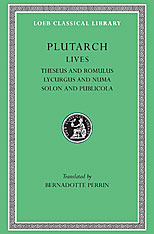
Plutarch (Plutarchus), ca. 45–120 CE, was born at Chaeronea in Boeotia in central Greece, studied philosophy at Athens, and, after coming to Rome as a teacher in philosophy, was given consular rank by the emperor Trajan and a procuratorship in Greece by Hadrian. He ...
Of the Greek lyric poets, Pindar (ca. 518–438 BCE) was “by far the greatest for the magnificence of his inspiration” in Quintilian’s view; Horace judged him “sure to win Apollo’s laurels.” The esteem of the ancients may help explain why a good ...
Plutarch (Plutarchus), ca. 45–120 CE, was born at Chaeronea in Boeotia in central Greece, studied philosophy at Athens, and, after coming to Rome as a teacher in philosophy, was given consular rank by the emperor Trajan and a procuratorship in Greece by Hadrian. He ...
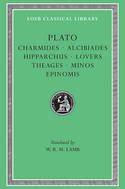
Plato, the great philosopher of Athens, was born in 427 BCE. In early manhood an admirer of Socrates, he later founded the famous school of philosophy in the grove Academus. Much else recorded of his life is uncertain; that he left Athens for a time ...
The Lesser Declamations, dating perhaps from the second century a.d. and attributed to Quintilian, might more accurately be described as emanating from "the school of Quintilian." The collection--here made available for the first time in translation--represents classroom materials for budding Roman lawyers. The instructor ...
Ammianus Marcellinus, ca. 325 - ca. 395 CE, a Greek of Antioch, joined the army when still young and served under the governor Ursicinus and the emperor of the East Constantius II, and later under the emperor Julian, whom he admired and accompanied against the Alamanni ...
Cicero (Marcus Tullius, 106–43 BCE), Roman lawyer, orator, politician and philosopher, of whom we know more than of any other Roman, lived through the stirring era which saw the rise, dictatorship, and death of Julius Caesar in a tottering republic. In his political speeches ...
Prudentius (Aurelius Prudentius Clemens) was born in 348 CE, probably at Caesaraugusta (Saragossa), and lived mostly in northeastern Spain, but visited Rome between 400 and 405. His parents, presumably Christian, had him educated in literature and rhetoric. He became a barrister and at least once ...
Hippocrates, said to have been born in Cos in or before 460 BCE, learned medicine and philosophy; travelled widely as a medical doctor and teacher; was consulted by King Perdiccas of Macedon and Artaxerxes of Persia; and died perhaps at Larissa. Apparently he rejected superstition ...
Longus seems to have been a pagan sophist who lived about 200 CE; he is known to us only by his novel Daphnis and Chloe. This is the bucolic story of two foundlings, brought up by goatkeepers and shepherds on the island of Lesbos, who ...
Basil the Great was born ca. 330 CE at Caesarea in Cappadocia into a family noted for piety. He was at Constantinople and Athens for several years as a student with Gregory of Nazianzus and was much influenced by Origen. For a short time he ...
Appian (Appianus) was a Greek official of Alexandria. He saw the Jewish rebellion of 116 CE, and later became a Roman citizen and advocate and received the rank of eques (knight). In his older years he held a procuratorship. He died during the reign of ...
The philosopher Philo was born about 20 BCE to a prominent Jewish family in Alexandria, the chief home of the Jewish Diaspora as well as the chief center of Hellenistic culture; he was trained in Greek as well as Jewish learning. In attempting to reconcile ...
Plato, the great philosopher of Athens, was born in 427 BCE. In early manhood an admirer of Socrates, he later founded the famous school of philosophy in the grove Academus. Much else recorded of his life is uncertain; that he left Athens for a time ...
Plutarch (Plutarchus), ca. 45–120 CE, was born at Chaeronea in Boeotia in central Greece, studied philosophy at Athens, and, after coming to Rome as a teacher in philosophy, was given consular rank by the emperor Trajan and a procuratorship in Greece by Hadrian. He ...
Utilizamos cookies propias y de terceros para mejorar nuestros servicios y facilitar la navegación. Si continúa navegando consideramos que acepta su uso.